Yoruba religion and Ifá
Ancient to present
Yorubaland (Nigeria and Benin) and the diaspora
Yoruba religious practice honours many òrìṣà, who vary from town to town, and includes Ifá, a divination system in which babalawo priests interpret signs through a vast body of chanted verses.
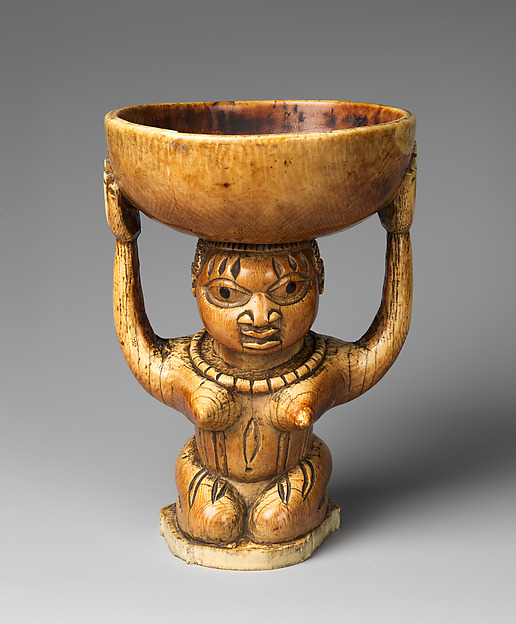
The Yoruba world
The Yoruba live mainly in southwestern Nigeria and Benin, with communities in Togo and elsewhere. The University of Kansas counts over 20 million speakers of the language. Their communities also continue in the Americas, in places such as Brazil, Cuba, Trinidad and Haiti. Most Yoruba today are Christian or Muslim. Even so, the older religion remains a living tradition in West Africa, and its offshoots are practised across the Atlantic world.
Olódùmarè and the òrìṣà
Yoruba religion recognizes a supreme being, Olódùmarè. The World History Encyclopedia describes this being as neither male nor female and as the source of all creation. Most worship is directed to the òrìṣà, spiritual powers often described as deities. Tradition sometimes numbers them as "400 plus 1," a way of saying they are beyond counting. Widely known òrìṣà include Ọbàtálá, associated with creation and purity; Ògún, with iron and metalwork; Ṣàngó, with thunder and lightning; Ọ̀ṣun, with fresh water, fertility and love; and Èṣù, the messenger of crossroads and change.
Practice varies a great deal from place to place. Duke University's Sacred Arts of the Black Atlantic project notes that the same òrìṣà may differ by region. Odùduwà is male in some areas and female in others. Ògún is a war and iron deity in some places and a snake deity in others. Shrines hold òrìṣà in vessels with stones, cowries and other symbolic items. These are activated with àṣẹ, the sacred power that runs through living things. In some ceremonies an òrìṣà possesses a devotee, who is called its "horse" or "mount." Ancestors are honoured too, notably through the Egúngún masquerade.
Ifá divination
Ifá is both a system of divination and the name of the òrìṣà of wisdom, also called Ọ̀rúnmìlà. Its priests are the babaláwo. A babaláwo casts sacred palm nuts or a divination chain to find one of 256 signs, called odù. Each odù is linked to many verses, called ese, which UNESCO puts at about 800 per odù. The total keeps growing. The priest chants the relevant verses and interprets them for the client, often recommending prayers or sacrifices. UNESCO stresses that Ifá relies on interpreting these signs rather than on spirit mediumship. The verses also record Yoruba history, language and worldview. People consult Ifá before important personal or communal decisions.
UNESCO proclaimed Ifá a masterpiece of intangible heritage in 2005 and inscribed it on its Representative List in 2008. It noted pressures on the tradition: past colonial and religious discrimination, ageing priests with limited means to train successors, and waning interest among young people.
Across the Atlantic
Enslaved Yoruba carried òrìṣà worship to the Americas. There it shaped Santería in Cuba and Candomblé in Brazil, and it also influenced other traditions in the region. In these settings òrìṣà were often paired with Catholic saints, such as Ṣàngó with Saint Barbara. Ifá divination is practised in the diaspora as well as in West Africa.
Achievements
- Ifá's literary corpus holds 256 odù, each with many chanted verses (ese), and is still growing
- 2005: Ifá proclaimed a Masterpiece of the Oral and Intangible Heritage of Humanity by UNESCO; inscribed on the Representative List in 2008
- Òrìṣà traditions carried to the Americas shaped Santería in Cuba and Candomblé in Brazil
Related entries
Sources
- UNESCO Intangible Cultural Heritage, "Ifa divination system" (Primary source)
- Sacred Arts of the Black Atlantic, Duke University, "Yoruba Indigenous" (Scholarly)
- University of Kansas, African and African-American Studies, "Yorùbá" (Primary source)
- Joshua J. Mark, World History Encyclopedia, "Orisha" (Reference)
Suggest a correction: opens once the database is connected.