Spiritual Traditions
Kemetic, Dogon, Ifá/Yoruba, and diaspora traditions

African Methodist Episcopal (AME) Church
1816 – present
Philadelphia, Pennsylvania, United States; later the U.S. South and Africa
Independent Black Methodist denomination organized in Philadelphia in 1816, when Bethel Church and allied congregations elected Richard Allen bishop; it expanded across the South after the Civil War and into Africa.
Stub: research pending

Ausar (Osiris)
Ancient Egypt, c. 3000 BCE – Ptolemaic and Roman periods; revived in modern Kemetic practice
Abydos and throughout Egypt (Kemet)
Ausar (Usir; Greek Osiris) is the Egyptian lord of the afterlife and judge of the dead, linked to fertility and the Nile; his murder by Set and revival by Auset were re-enacted at Abydos.
Stub: research pending

Auset (Isis)
Ancient Egypt, attested from c. 24th century BCE (Pyramid Texts) to 6th century CE; revived in modern Kemetic practice
Egypt (Kemet), later Greece and the Roman Empire
Auset (Eset; Greek Isis), mother of Heru (Horus) and wife of Ausar, was revered for protective magic and motherhood; her worship spread across the Roman world and continues in modern Kemetic practice.
Stub: research pending

The Book of the Dead (Pert em Heru)
c. 1550 BCE – 30 BCE (New Kingdom to Ptolemaic period)
Egypt (Kemet)
Called by Egyptians the spells for going forth by day, the Book of the Dead gathers about 200 funerary spells, many drawn from the Pyramid and Coffin Texts, for the deceased's continued existence.
Stub: research pending

Candomblé
Late 18th century – present
Brazil (especially Salvador da Bahia)
Afro-Brazilian religion centred in Bahia and organised into 'nations' that honour Yoruba-derived orixás, Fon-derived voduns and Kongo-derived inquices. Scholars debate how much each tradition shaped its formation.

Djehuty (Thoth)
Ancient Egypt, c. 3000 BCE – 4th century CE; revived in modern Kemetic practice
Hermopolis and throughout Egypt (Kemet)
Djehuty, called Thoth by the Greeks, is the Egyptian deity of writing, wisdom, magic and the moon, shown as an ibis-headed man or baboon, who records the verdict at the weighing of the heart.
Stub: research pending

Dogon people and tradition
c. 15th century – present
Bandiagara Escarpment, central Mali (extending into Burkina Faso)
The Dogon of Mali's Bandiagara cliffs and plains keep living traditions of masked dances, ancestor rites and Awa initiation; their homeland is a UNESCO World Heritage cultural landscape of 289 villages.

Ethiopian Orthodox Tewahedo Church
c. mid-4th century – present
Ethiopia (headquarters Addis Ababa) and the diaspora
Oriental Orthodox church rooted in the Aksumite kingdom's adoption of Christianity under King Ezana in the fourth century, with Frumentius as its first bishop; it remained Ethiopia's state church until the 1974 revolution.
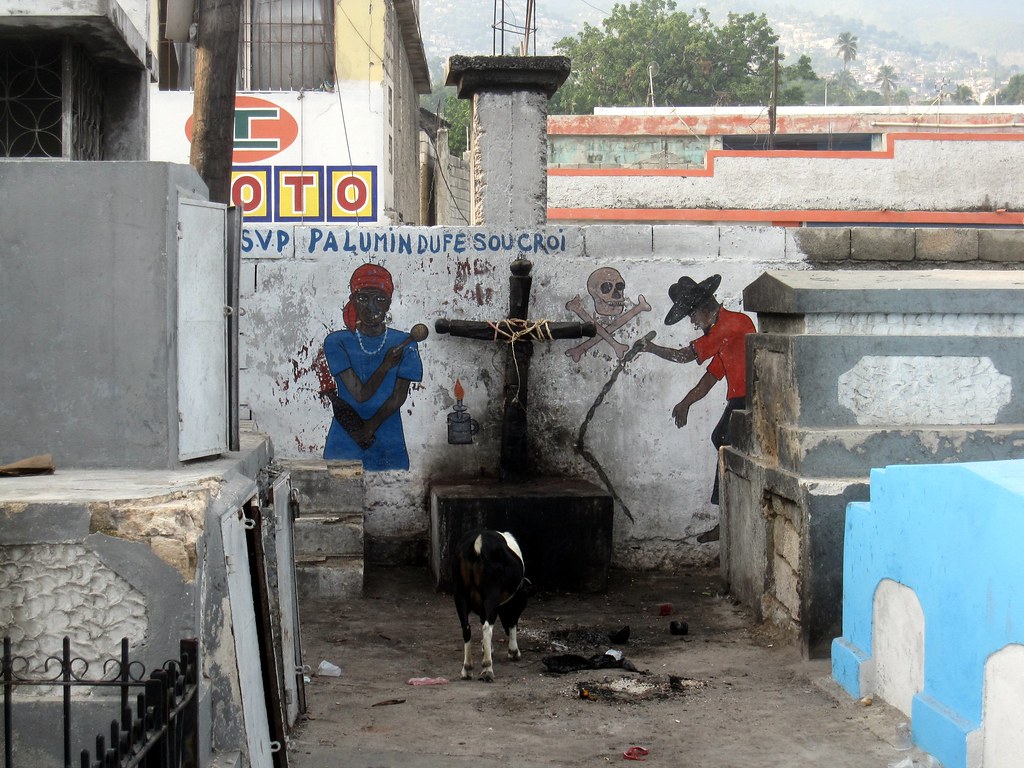
Haitian Vodou
18th century (colonial Saint-Domingue) – present
Haiti and its diaspora
Haitian religion that took shape among enslaved Africans in Saint-Domingue, serving spirits called lwa through song, drumming and possession; it draws on Fon, Kongo and Yoruba traditions and links many lwa with Catholic saints.

Hoodoo
Era of slavery to present
Continental North America, especially African American communities in the United States
African American spiritual tradition, also called conjure or rootwork, developed by enslaved people from Central and West African practices interwoven with Christian and European elements, used for healing, protection and divination.
Stub: research pending
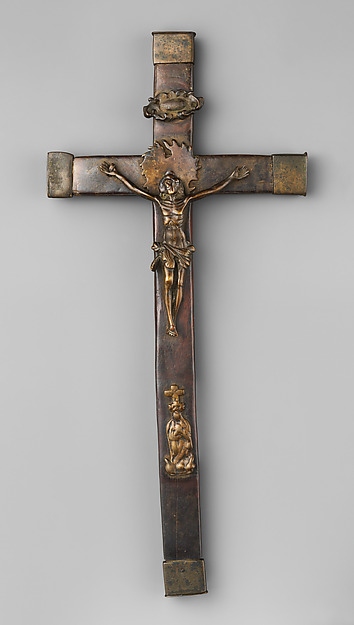
Kimpa Vita (Dona Beatriz)
c. 1684 – 1706
Central Africa (Kingdom of Kongo, present-day Angola/DR Congo)
A Kongolese prophet who said Saint Anthony possessed her and led the Antonian movement to restore the divided Kingdom of Kongo, teaching an African Christianity. She was burned as a heretic in 1706.
Stub: research pending

The rock-hewn churches of Lalibela
c. 7th – 13th c. CE (traditionally reign of Lalibela, r. c. 1181 – 1221)
Lalibela, Amhara, northern Ethiopia
Eleven monolithic churches carved from rock in northern Ethiopia, traditionally credited to King Lalibela as a 'New Jerusalem'. Scholars date them in several phases, and they remain active places of worship and pilgrimage.
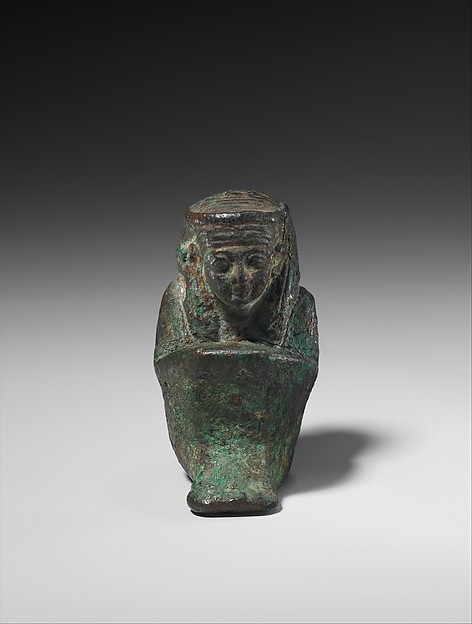
Ma'at
Attested from the Old Kingdom (c. 2613 – 2181 BCE) through the Ptolemaic period (ended 30 BCE)
Egypt
Ancient Egyptian concept of truth, justice and cosmic order, also honoured as a goddess with an ostrich feather; kings were expected to uphold it, and hearts were weighed against her feather.

The Neteru (Kemetic deities)
c. 3000 BCE – 6th c. CE; modern revival since the late 1980s
Ancient Egypt (Kemet); modern Kemetic communities worldwide
Netjer (plural netjeru) is the Egyptian word usually translated 'god'. It named the many divine beings of ancient Egyptian religion, who could take human and animal forms. Modern Kemetic communities have revived their worship since the late 1980s.

Prince Hall and Prince Hall Freemasonry
d. 1807; lodge founded 1775
Boston, Massachusetts
Prince Hall, a formerly enslaved Bostonian, and fourteen other Black men were initiated as Masons in 1775; their African Lodge, chartered from London in 1787, became the root of Prince Hall Freemasonry.
Stub: research pending

Rastafari
1930s – present
Jamaica; now worldwide
Anticolonial, African-centered faith that arose in Kingston, Jamaica, after Haile Selassie's 1930 coronation. Adherents regard him as divine, read the Bible through that lens, and draw on Marcus Garvey's Pan-Africanism.

Richard Allen
1760 – 1831
Philadelphia, Pennsylvania, and Delaware, United States
Born enslaved in Philadelphia and held in Delaware, Allen bought his freedom in the early 1780s, founded Bethel Church, was ordained a Methodist deacon in 1799, and became the AME Church's first bishop in 1816.
Stub: research pending

Santería (Regla de Ocha / Lucumí)
19th century – present
Cuba; spread to Puerto Rico, the wider Americas and the United States
Afro-Cuban religion, also called Regla de Ocha or Lucumí, created by enslaved Yoruba and their descendants. Devotees honor the orishas, which in Cuba became paired with Catholic saints and feast days.
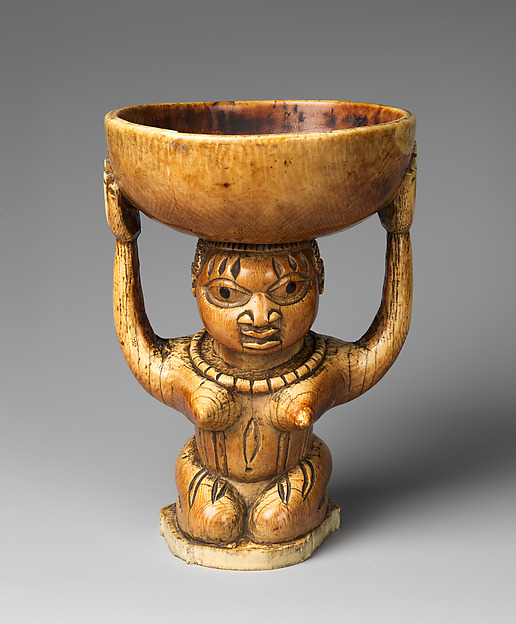
Yoruba religion and Ifá
Ancient to present
Yorubaland (Nigeria and Benin) and the diaspora
Yoruba religious practice honours many òrìṣà, who vary from town to town, and includes Ifá, a divination system in which babalawo priests interpret signs through a vast body of chanted verses.