Civilizations & Empires
Kemet, Kush, Aksum, Mali, Great Zimbabwe, Songhai

Africa–Americas pre-Columbian contact theories
Claims about c. 1200 BCE – 1300s CE; debate since 1976
West Africa, Mesoamerica, Atlantic
Ivan Van Sertima and others argued Africans reached the Americas before Columbus, citing Olmec heads and Mansa Musa's predecessor's Atlantic voyage; most archaeologists and historians dispute or doubt these claims.
Stub: research pending

Ahmose I
c. 1550 – 1525 BCE (reign; WHE gives c. 1570 – 1544 BCE)
Egypt (Thebes, Avaris)
Theban king who ended Hyksos rule in northern Egypt, capturing their capital Avaris and reuniting the country; he is considered the first king of the 18th Dynasty and the New Kingdom.
Stub: research pending

Ahmose-Nefertari
c. 1550 – 1500 BCE (approx.; early 18th Dynasty)
Thebes, Egypt (Kemet)
Daughter of Seqenenre Taa II, wife of Ahmose I and mother of Amenhotep I, she held the title great wife of Amun and was later venerated with her son at Deir el-Medina.
Stub: research pending

Akhenaten (Amenhotep IV)
c. 1353 – 1336 BCE (reign)
Egypt (Akhetaten / Amarna)
18th Dynasty king who elevated the sun disc Aten above all other gods, founded the city of Akhetaten (Amarna), and transformed royal art; his reforms were reversed and his name erased after his death.

The Almoravids
c. 1056 – 1147
North and West Africa (Sahara, Morocco) and al-Andalus
A Berber Islamic reform movement founded by the Maliki scholar Abd Allah ibn Yasin that built an empire from the Sahara to al-Andalus, founding Marrakesh around 1062, before Almohads displaced it.
Stub: research pending

Amanirenas
late 1st century BCE (war with Rome c. 25/24 – 21/20 BCE)
Kush (Meroë, Nubia)
Kandake (ruling queen) of Meroë during the late-1st-century BCE war with Roman Egypt, which followed a Kushite raid and ended in negotiations with Augustus at Samos.
Stub: research pending

Amenhotep III
c. 1390 – 1352 BCE (reign; chronologies vary)
Thebes, Egypt (Kemet)
Ninth king of the 18th Dynasty, Amenhotep III presided over a wealthy, largely peaceful empire, conducted wide diplomacy, and commissioned vast works including the Malqata palace and the temple guarded by the Colossi of Memnon.
Stub: research pending
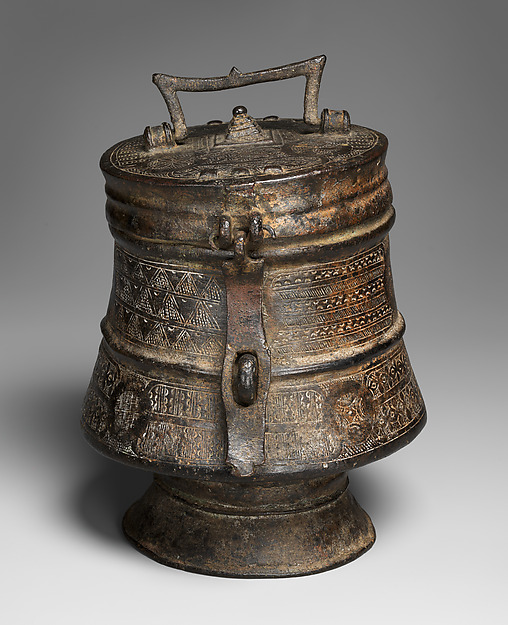
Asante Empire
c. 1700 – 1902
Present-day southern and central Ghana, centered on Kumasi
Akan state built around Kumasi by Osei Tutu and the priest Okomfo Anokye, symbolized by the sacred Golden Stool; it dominated much of present-day Ghana until British conquest and annexation at the start of the 20th century.

Djenné-Djenno and the Great Mosque of Djenné
c. 250 BCE – c. 1400 CE (Djenné-Djenno); mosque rebuilt 1907
Inland Niger Delta, Mali
Djenné-Djenno, occupied from about 250 BCE, is among the oldest known cities in sub-Saharan Africa; nearby Djenné's earthen Great Mosque, rebuilt in 1907, is replastered by the community each year.
Stub: research pending

The Garifuna
18th century – present
St Vincent; Caribbean coast of Honduras, Belize, Guatemala, Nicaragua; diaspora in the US
The Garifuna, a people of African and Indigenous Caribbean ancestry from St Vincent, were exiled by Britain to Roatán in 1797 and settled along Central America's Caribbean coast, keeping an Arawakan language.
Stub: research pending

Ghana Empire (Wagadu)
c. 7th century – 1240
Present-day southeastern Mauritania and western Mali, West Africa (11th-century capital probably Koumbi Saleh)
Soninke-led state of the western Sudan, called Wagadu by its own people, that grew rich from the trans-Saharan trade in gold and salt; it was at its height around the 9th–11th centuries and its remnants were absorbed into Mali by 1240.

Great Zimbabwe
c. 11th – 15th century
Southeastern Zimbabwe (near Masvingo), Zimbabwe Plateau
Stone-walled capital on the Zimbabwe Plateau, built by ancestors of the Shona, that grew rich on the gold and ivory trade toward the Indian Ocean; colonial-era writers long denied its African origins.
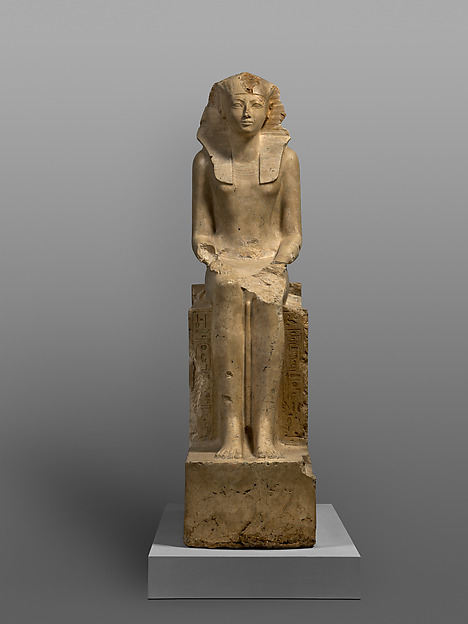
Hatshepsut
c. 1479 – 1458 BCE (reign; dates vary by chronology)
Egypt (Thebes)
18th Dynasty ruler of Egypt who acted as regent for the young Thutmose III, then took the full titles of a king and ruled for about two decades; her monuments include her temple at Deir el-Bahri.

Ife and its bronze heads
c. 1200 – 1500 CE (artistic flowering)
West Africa (Ile-Ife, southwestern Nigeria)
The Yoruba city of Ife produced naturalistic copper-alloy and terracotta heads, chiefly c. 12th-15th centuries. Finds such as the 1938 Wunmonije heads overturned European assumptions about African art.
Stub: research pending

Kanem-Bornu
c. 9th century – 1846
Around Lake Chad: parts of present-day Chad, Niger, Nigeria and Cameroon
Lake Chad empire whose Sayfawa kings embraced Islam in the late 11th century, moved their base west to Bornu around 1400, and grew rich on trans-Saharan trade, including in enslaved people.
Stub: research pending

Kemet (Ancient Egypt)
c. 3100 – 30 BCE
Nile Valley, northeast Africa
The civilization of ancient Egypt, whose people called their land Kmt (Kemet), the Black Land, after the dark soil left by the Nile flood. Its dynastic history ran from about 3100 BCE to Roman conquest in 30 BCE.
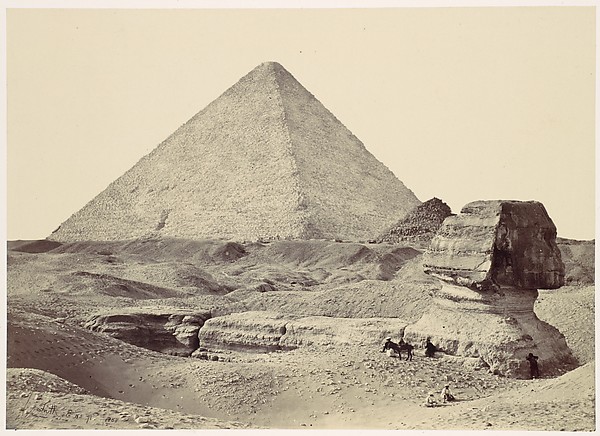
Khufu and the Great Pyramid of Giza
c. 2589 – 2566 BCE (reign; chronologies vary)
Giza, Egypt (Kemet)
Khufu (Greek: Cheops), second king of the Fourth Dynasty, built the Great Pyramid at Giza, the only surviving wonder of the ancient world, reportedly designed by his vizier Hemiunu.
Stub: research pending

Kilwa Kisiwani and the Swahili coast city-states
c. 12th century – 1505 (peak 13th–14th century)
Kilwa Kisiwani island off southern Tanzania, on the East African (Swahili) coast
Island city-state off southern Tanzania that became the most prosperous Swahili trading port by controlling the flow of gold from the Zimbabwe plateau through Sofala; it peaked in the 13th–14th centuries and was occupied by the Portuguese in 1505.

Kingdom of Aksum
c. 1st – 8th century CE
Northern Ethiopia and Eritrea (Tigray highlands, Red Sea coast)
Highland trading state centred on Aksum that controlled Red Sea commerce through the port of Adulis, minted its own coins, raised monumental stelae and adopted Christianity under King Ezana in the 4th century.

Kingdom of Benin (Edo)
c. 13th century – 1897
Forest region of present-day southern Nigeria (Benin City, Edo State)
Edo kingdom centred on Benin City, ruled by obas who were both kings and chief priests; its court guilds made celebrated brass and ivory works before British forces sacked the city in 1897.
Kingdom of Buganda
c. late 14th century – present (abolished 1967, restored 1993)
East Africa (south-central Uganda, Lake Victoria)
A Ganda kingdom on Lake Victoria's northern shore ruled by the Kabaka, the region's most powerful state by the 19th century. It became a British protectorate, was abolished in 1967 and restored in 1993.
Stub: research pending

Kingdom of Dahomey
c. 1620s – 1900
West Africa (present-day Benin)
A Fon kingdom centred on Abomey, ruled by twelve successive kings who built adjoining royal palaces. It took the slaving port of Ouidah in 1727 and was conquered by France in the 1890s.
Stub: research pending

Kingdom of Kerma
c. 2500 – c. 1450 BCE (height c. 2050 – 1550 BCE)
Upper Nubia, around Kerma on the Nile's Dongola Reach, northern Sudan
Nubian kingdom centered at Kerma, the capital of the first kingdom of Kush, which at its height controlled the Nile from the First to the Fifth Cataract, rivaled Egypt and allied with the Hyksos, until 18th Dynasty Egyptian campaigns conquered it around 1500–1450 BCE.
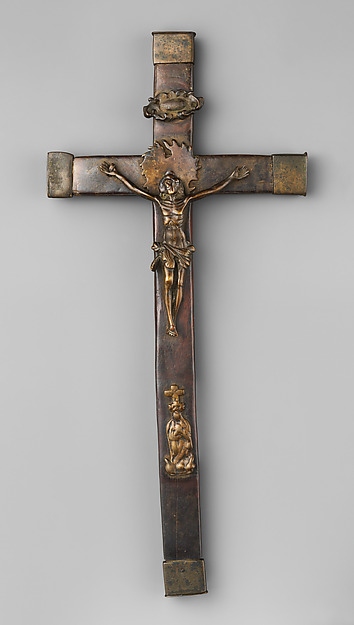
Kingdom of Kongo
Late 14th century – early 20th century
Parts of present-day Angola, Democratic Republic of the Congo and Republic of the Congo (capital Mbanza Kongo)
Central African kingdom south of the lower Congo River, founded in the late 1300s, whose kings adopted Christianity after Portuguese contact in 1483, while the Atlantic slave trade and wars steadily eroded its power.

Kingdom of Kush
c. 785 BCE – c. 350 CE
Nubia, middle Nile valley (present-day Sudan)
Nubian kingdom on the middle Nile whose kings ruled Egypt as the 25th Dynasty and which later governed from Meroë, a trading capital known for its pyramids, its own Meroitic script and its ruling queens.

The Land of Punt
Contact with Egypt c. 2500 – c. 1170 BCE
Southern Red Sea / Horn of Africa (location debated)
Punt was a land Egypt reached by long-distance expeditions for myrrh, incense, ebony, gold and animals over some thirteen centuries; its exact location is debated, with most scholars placing it in the Horn of Africa and southern Red Sea region.

Mali Empire
c. 1240 – c. 1645
Western Sudan and the upper and middle Niger River valley, West Africa
Mande empire founded by Sundiata Keita in the 13th century that grew rich on West African gold; Mansa Musa's 1324–25 pilgrimage made it famous across the Islamic world before Songhai eclipsed it.
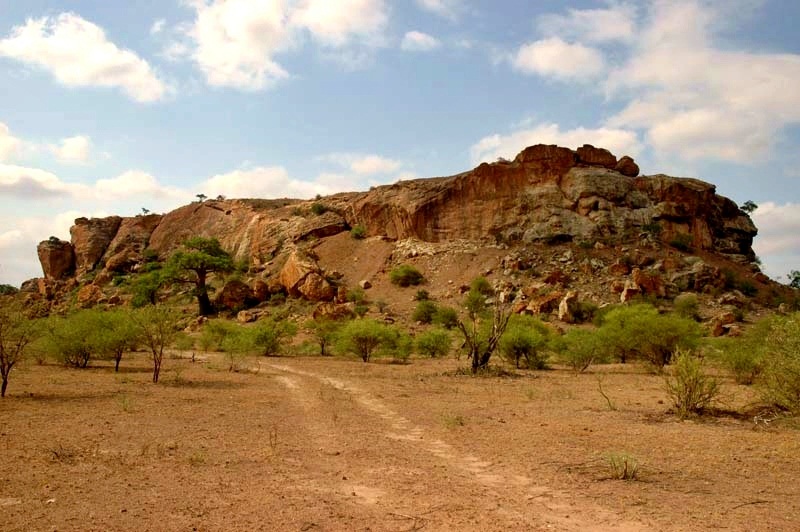
Mapungubwe
c. 1050 – 1300 CE (capital on Mapungubwe Hill c. 1220 – 1290/1300)
Limpopo–Shashe confluence, South Africa (bordering Botswana and Zimbabwe)
Mapungubwe, at the Limpopo–Shashe confluence, became southern Africa's first known state society, trading gold and ivory toward the Indian Ocean; its elite hilltop graves held the famous golden rhinoceros.
Stub: research pending
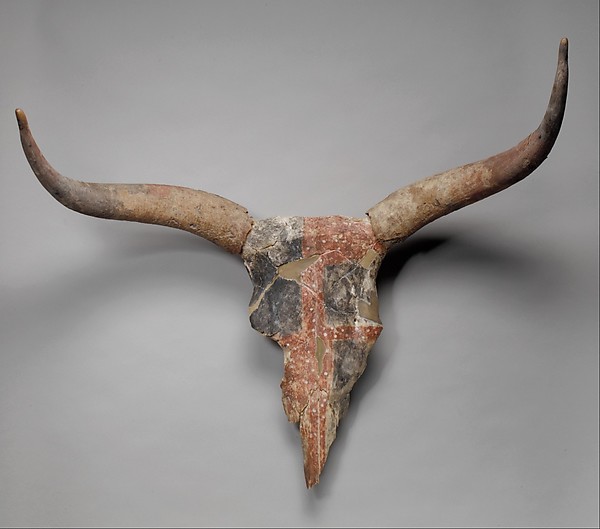
The Medjay
late Old Kingdom – New Kingdom (c. late 3rd millennium – c. 1069 BCE)
Nubian Eastern Desert and Egypt
Egyptian name for people from the deserts east of the Nubian Nile Valley, known as warriors who served Egypt as soldiers and desert police; in the New Kingdom 'Medjay' became a term for police.
Stub: research pending

Mentuhotep II (Nebhepetre)
c. 2061 – 2010 BCE (reign; other chronologies c. 2009 – 1959 BCE)
Egypt (Thebes)
Theban king of the 11th Dynasty who defeated the rival Herakleopolitan rulers, reunified Egypt and began the Middle Kingdom; he built a terraced mortuary temple at Deir el-Bahri.
Stub: research pending

The Moors and al-Andalus
711 – 1492 (Muslim rule in Iberia); Moriscos expelled 1609
Iberian Peninsula and North Africa (Maghreb)
Al-Andalus was Muslim-ruled Iberia from 711 to 1492. "Moor," from Latin Maurus, was a European label for its Muslims and North Africans; it never named one ethnicity, and how to describe them is debated.
Stub: research pending
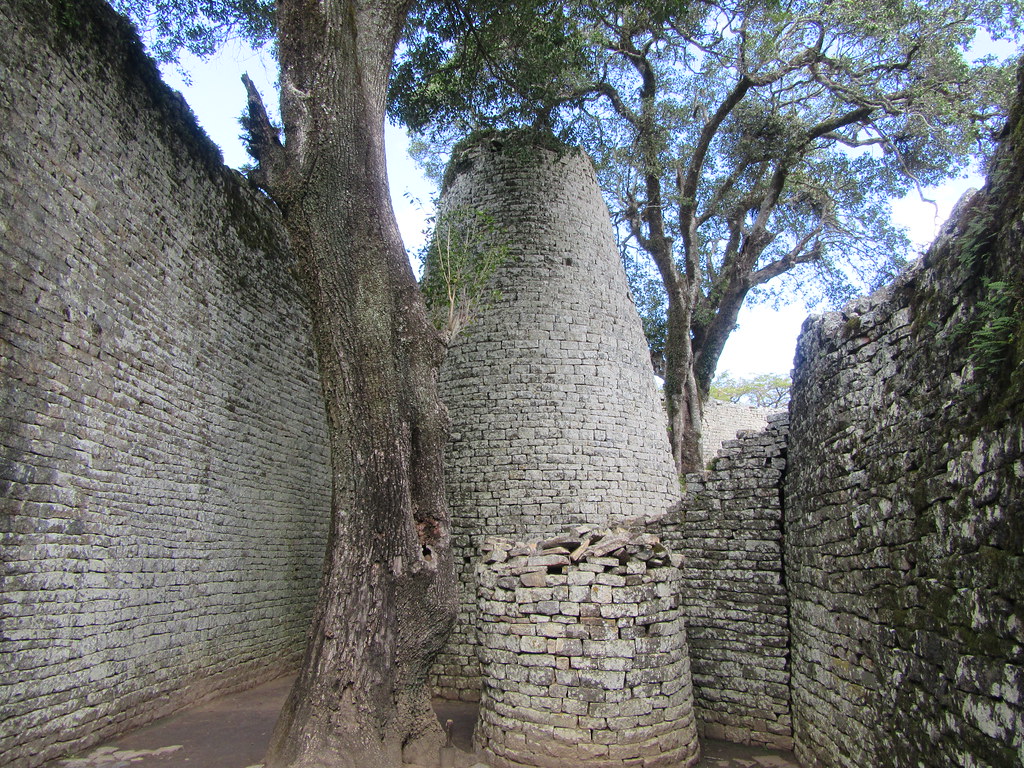
Mutapa Empire
c. 1450 – 1917 (independent power to c. 1630s)
Southern Africa: northern Zimbabwe, the Zambezi valley and central Mozambique
Shona state founded in the 15th century by Nyatsimba Mutota that controlled gold-producing lands between the Zambezi and Limpopo and traded gold and ivory with coastal merchants; civil wars and Portuguese intervention broke its independence in the 1600s.

Narmer
c. 3100 BCE (reign; estimates range from c. 3150 to c. 3000 BCE)
Egypt (Upper and Lower Egypt)
Early Egyptian king, often regarded as the first to rule a unified Upper and Lower Egypt around 3100 BCE; the Narmer Palette shows him wearing the crowns of both lands, though how and when unification happened is still debated.
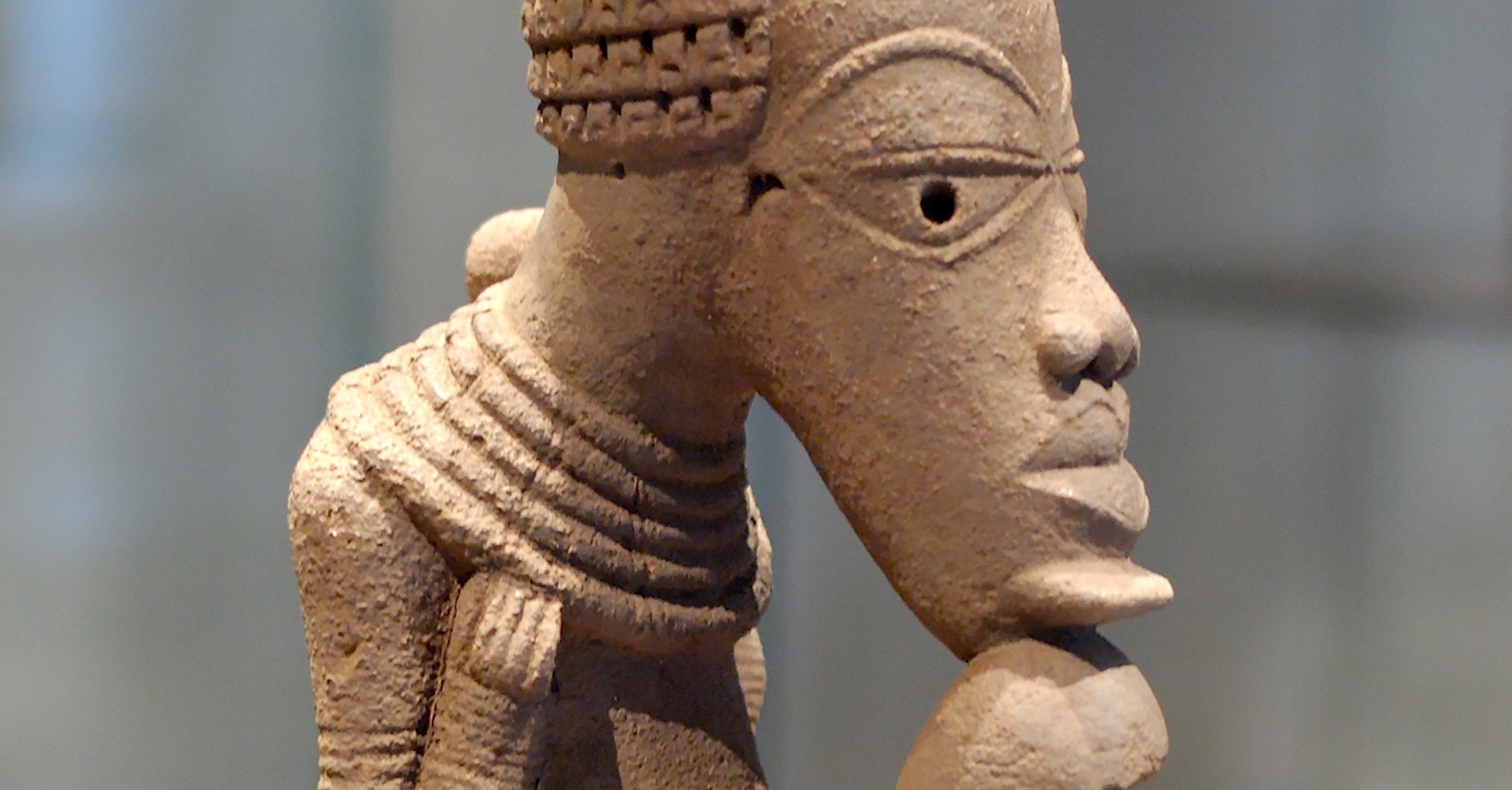
Nok culture
c. 900 BCE – c. 200 CE
Central Nigeria, including the Jos Plateau, north of the Benue River
Iron Age culture of central Nigeria known for hollow, coil-built terracotta figures, the oldest known figurative sculpture south of the Sahara, and for some of the region's earliest iron smelting.

Oyo Empire
c. 1600 – c. 1836 (imperial period)
West Africa (southwestern Nigeria, Benin)
A Yoruba state ruled by the Alaafin whose cavalry made it dominant between the Volta and Niger rivers around 1650-1750. Internal conflict and the loss of Ilorin broke it up in the 19th century.
Stub: research pending

Piye (Piankhy)
c. 747 – 716 BCE (reign; dates vary by chronology)
Kush (Napata, Nubia) and Egypt
Kushite king from Napata who took control of Upper Egypt and then defeated a coalition of Delta rulers led by Tefnakht of Sais, recording the campaign on a great stela at Gebel Barkal; his reign laid the foundations of Egypt's 25th Dynasty.

The pyramids of Meroë
c. 3rd century BCE – 4th century CE
Meroë, Sudan
Meroë, capital of Kush, holds steep-sided royal pyramids built from about the 3rd century BCE; with Naqa and Musawwarat es-Sufra it was inscribed as a UNESCO World Heritage Site in 2011.
Stub: research pending

Ramesses II
c. 1279 – 1213 BCE (reign)
Egypt and Nubia; campaigns in the Levant
19th Dynasty king who reigned about 66 years, fought the Hittites at Kadesh, later made peace with them in one of the earliest known treaties, and built on a vast scale, including the Ramesseum and the Abu Simbel temples.

Senusret III (Senwosret III)
c. 1878 – 1839 BCE (reign; chronologies vary)
Egypt (Kemet) and Lower Nubia
Fifth king of the 12th Dynasty, Senusret III campaigned in Nubia, built border fortresses, curbed the provincial nomarchs, and is known for strikingly careworn royal portraits.
Stub: research pending

Shabaka and the Shabaka Stone
c. 716 – 702 BCE (reign; chronologies vary)
Kush (Sudan) and Memphis, Egypt
Kushite king Shabaka, brother and successor of Piye, ruled Egypt from Memphis; his Shabaka Stone records the Memphite Theology, in which Ptah creates all things through the spoken word.
Stub: research pending

Songhai Empire
c. 1464 – 1591
Gao and the middle Niger, West Africa (present-day Mali and Niger)
Empire based at Gao on the middle Niger that expanded at Mali's expense under Sonni Ali from 1464, reached its height under the Askia dynasty founded by Askia Muhammad, and collapsed after Morocco's victory at Tondibi in 1591.

Taharqa (Taharqo)
c. 690 – 664 BCE (reign)
Kush (Nubia) and Egypt
Kushite king of Egypt's 25th Dynasty who ruled Egypt and Nubia from about 690 to 664 BCE, built temples such as the one at Kawa, and lost Egypt to Assyrian invasions before his burial in a pyramid at Nuri.
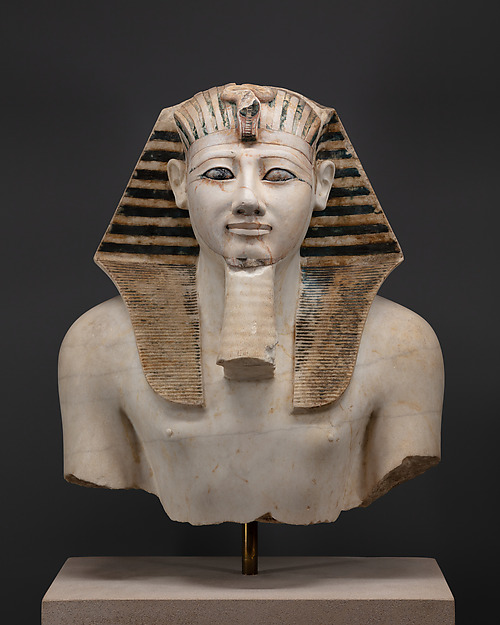
Thutmose III
c. 1479 – 1425 BCE (reign, including the years Hatshepsut ruled with him)
Egypt; campaigns in the Levant, Syria and Nubia
18th Dynasty king of Egypt who, after Hatshepsut's death, led many campaigns into the Levant beginning with the Battle of Megiddo, carried Egypt's power to the Euphrates and deep into Nubia, and built extensively at Karnak.

Queen Tiye
c. 1398 – 1338 BCE (life; chronologies vary)
Thebes, Egypt (Kemet)
Non-royal-born Great Royal Wife of Amenhotep III and mother of Akhenaten, Tiye took part in diplomacy; some argue her family was Nubian, a claim other scholars, including Zahi Hawass, dispute.
Stub: research pending